The Comparative Analysis :
Lexus ES 300h Automatic (19 - ..) vs. Lexus GS 430 Automatic (05 - 08)
€ 48,600

€ 59,600

€ 48,600
Base Price ⓘBase price of a new vehicle with standard equipment in Germany at market launch.
€ 59,600
ⓘBase price of a new vehicle with standard equipment in Germany at market launch. Price Info

Vehicle Dimensions
The ES 300h is considerably bigger in every dimension. It's 15 cm longer, 4.5 cm wider and 1.5 cm taller than the GS 430.
ES 300h
GS 430
1445
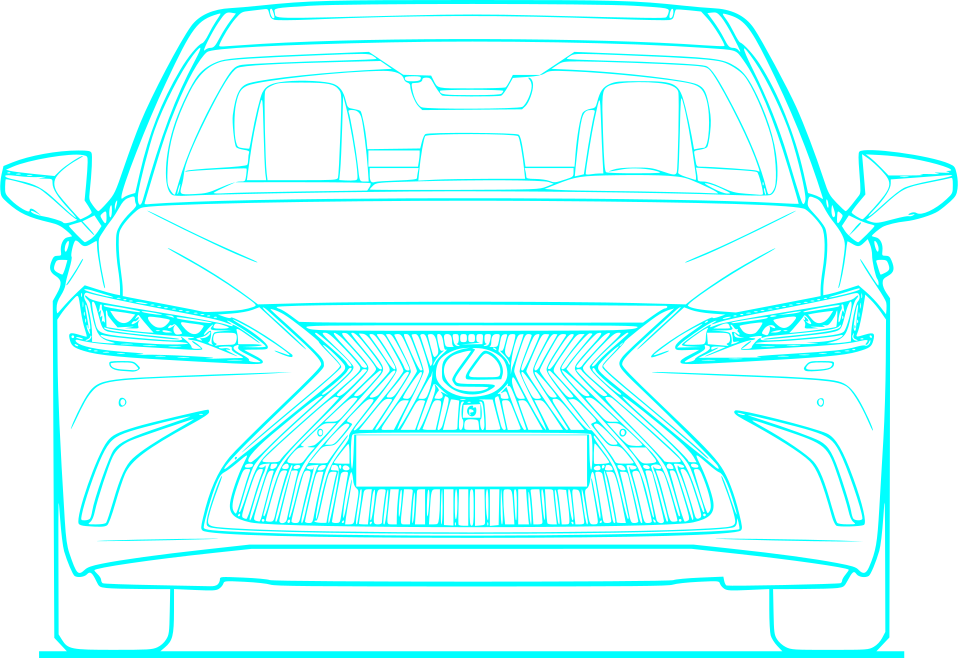
1865
2117
1430
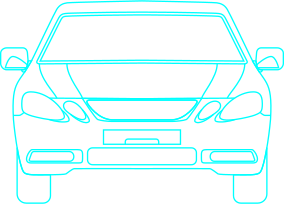
1820
2020
1865 mm
Width
1820 mm
2117 mm
Width Incl. Mirrors
2020 mm
1445 mm
Height
1430 mm
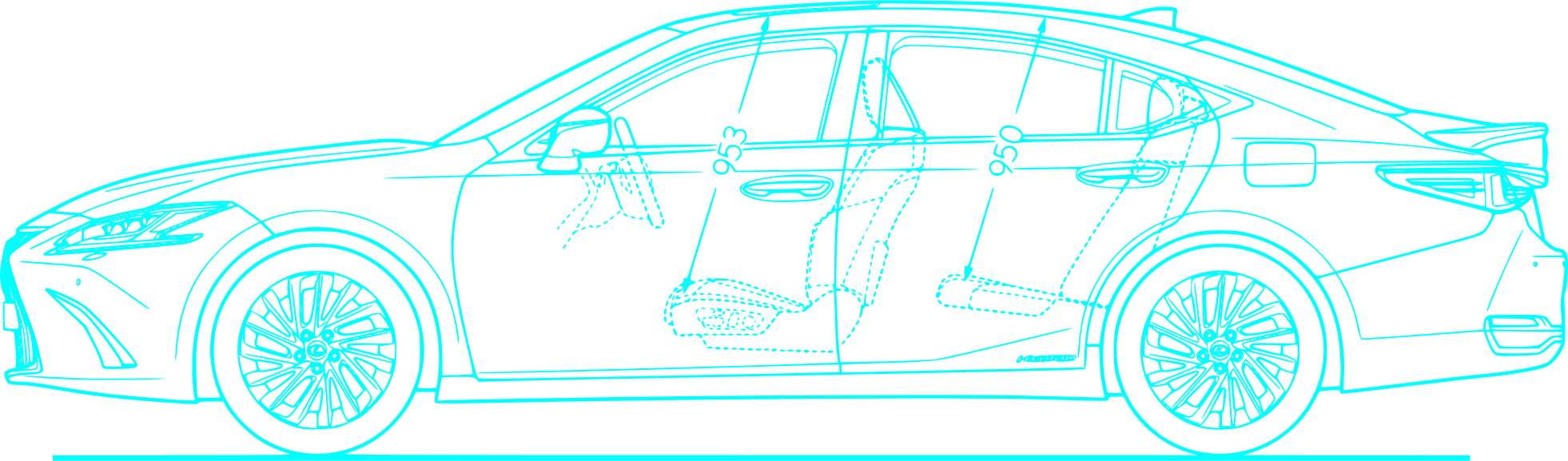
2870
4975

2850
4825
4975 mm
Length
4825 mm
2870 mm
Wheelbase
2850 mm
Vehicle Weight
ES 300h
GS 430
1680 kg
Kerb Weight
1770 kg
2150 kg
Gross Vehicle
Weight
Weight
2160 kg
Weight Difference:
90 kg
5.08 %

General
ES 300h
GS 430
XZ1L
Generation
S19
Saloon
Car Body Style
Saloon
Unleaded (95 RON)
Fuel Type
Unleaded (95 RON)

Rear-wheel drive
Drive
Rear-wheel drive
Continuously variable transmission (CVT)
Transmission
6-speed automatic transmission
Engine
ES 300h
GS 430
4-cylinder full hybrid petrol engine (naturally aspirated engine)
Engine Type
V8 petrol engine (naturally aspirated engine)
4
Valves
4
4
Cylinders
8
2487 CC
Engine Capacity
4293 CC
215 bhp
at 0 rpm
Power
279 bhp
at 5600 rpm
ES 300h
215 bhp
279 bhp
GS 430
No data
Max. Torque
417 NM
at 3500 rpm
ES 300h
NM
417 NM
GS 430
Performance
ES 300h
GS 430
112 mph
Maximum Speed
155 mph
8.9 sec
Acceleration 0 to 62 mph
6.1 sec
62 mph
62
mph
mph
124 m
0.000 sec

ES 300h
62 mph
62
mph
mph
85 m
0.000 sec

GS 430
▶ REPLAY
7.81 kg/bhp
Weight-to-Power Ratio
6.34 kg/bhp
ES 300h
7.81 kg/bhp
6.34 kg/bhp
GS 430
Fuel Economy / Emissions
ES 300h
GS 430
Fuel Economy
64 mpg
combined
25 mpg
ES 300h
64 mpg
25 mpg
GS 430
58 mpg
city
17 mpg
66 mpg
motorway
33 mpg

50 L
Fuel Tank Capacity
71 L
706 mi
Range
387 mi
ES 300h
706 mi
387 mi
GS 430
Environmental Impact
83.4 kWh
Total Energy Consumption
per 100 miles ⓘThe total energy consumption per 100 miles is the amount of energy consumed by a vehicle when burning fuel or using electricity per 100 miles (final energy), and the energy required to produce the appropriate amount of fuel or electricity (primary energy).
per 100 miles ⓘThe total energy consumption per 100 miles is the amount of energy consumed by a vehicle when burning fuel or using electricity per 100 miles (final energy), and the energy required to produce the appropriate amount of fuel or electricity (primary energy).
216 kWh
ES 300h
83.4 kWh
216 kWh
GS 430
Euro 6d-TEMP-EVAP-ISC (WLTP) 36CH, 36CI, 36DG
Emission Standard
Euro 4
100 g/km (NEFZ)
CO2 Emissions
269 g/km (NEFZ)
Practical Convenience
ES 300h
GS 430
4
Doors
4
5
No. of Seats
5
470 kg
Maximum Payload
390 kg
454 L
Boot Capacity
430 L


No data
Boot Capacity (Seats Down)
No data