The Comparative Analysis :
Mercedes E 200 (13 - 15) vs. Mercedes E 300 de 9G-TRONIC (18 - ..)
€ 42,400
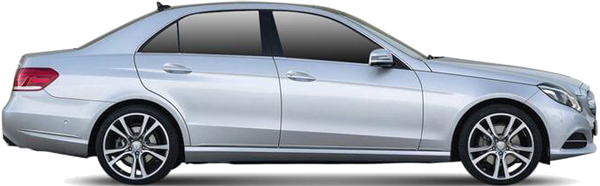
€ 54,800
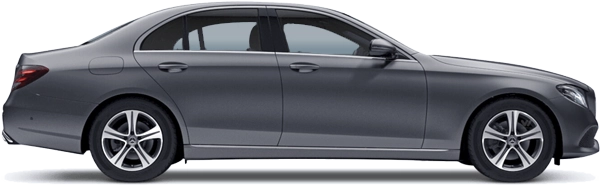
€ 42,400
Base Price ⓘBase price of a new vehicle with standard equipment in Germany at market launch.
€ 54,800
ⓘBase price of a new vehicle with standard equipment in Germany at market launch. Price Info

Vehicle Dimensions
The dimensions of these vehicles differ a little. The E 200 is 4.4 cm shorter, 0.2 cm wider and 0.6 cm taller than the E 300 de.
E 200
E 300 de
1474

1854
2071
1468

1852
2065
1854 mm
Width
1852 mm
2071 mm
Width Incl. Mirrors
2065 mm
1474 mm
Height
1468 mm

2874
4879

2939
4923
4879 mm
Length
4923 mm
2874 mm
Wheelbase
2939 mm
Vehicle Weight
E 200
E 300 de
1615 kg
Kerb Weight
2060 kg
2200 kg
Gross Vehicle
Weight
2700 kg
Weight Difference:
445 kg
21.6 %
General
E 200
E 300 de
W212
Generation
W213
Saloon
Car Body Style
Saloon
Unleaded (95 RON)
Fuel Type
Diesel

Rear-wheel drive
Drive
Rear-wheel drive
6-speed manual transmission
Transmission
9-speed automatic transmission
Engine
E 200
E 300 de
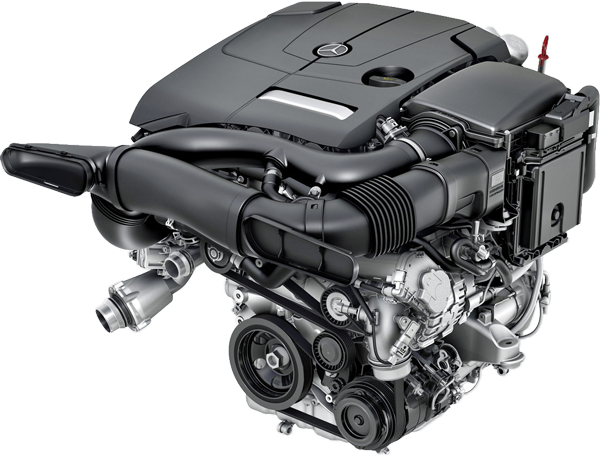
Straight-four petrol engine with turbocharger
Engine Type
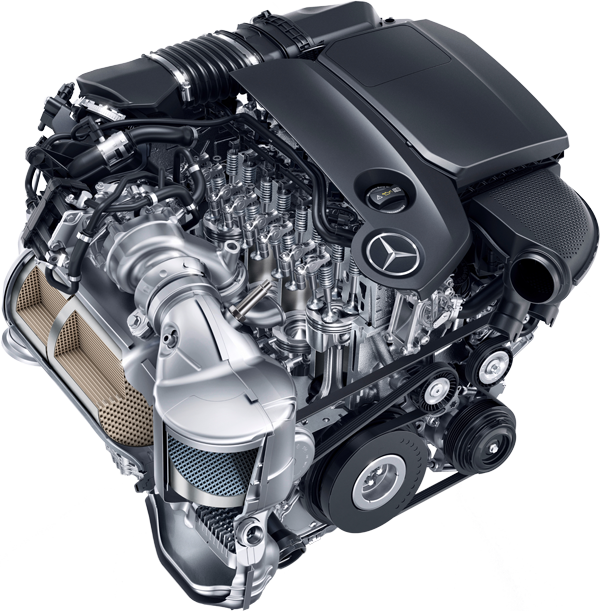
4-cylinder plug-in hybrid diesel engine with two turbochargers (biturbo)
Mercedes-Benz M 274
Engine Series
Mercedes-Benz OM 654
M 274.920
Engine Code
OM 654.920
4
Valves
4
4
Cylinders
4
1991 CC
Engine Capacity
1950 CC
181 bhp
at 5500 rpm
Power
302 bhp
at 3800 rpm
E 200
181 bhp
302 bhp
E 300 de
270 NM
at 1200 rpm
Max. Torque
700 NM
at 1600 rpm
E 200
270 NM
700 NM
E 300 de
Performance
E 200
E 300 de
145 mph
Maximum Speed
155 mph
8.2 sec
Acceleration 0 to 62 mph
5.9 sec
62 mph
62
mph
114 m
0.000 sec

E 200
62 mph
62
mph
82 m
0.000 sec

E 300 de
▶ REPLAY
8.92 kg/bhp
Weight-to-Power Ratio
6.82 kg/bhp
E 200
8.92 kg/bhp
6.82 kg/bhp
E 300 de
Fuel Economy / Emissions
E 200
E 300 de
Fuel Economy
46 mpg
combined
177 mpg
E 200
46 mpg
177 mpg
E 300 de
35 mpg
city
No data
56 mpg
motorway
No data

59 L
Fuel Tank Capacity
50 L
601 mi
Range
1942 mi
E 200
601 mi
1942 mi
E 300 de
Environmental Impact
115.6 kWh
Total Energy Consumption
per 100 miles ⓘThe total energy consumption per 100 miles is the amount of energy consumed by a vehicle when burning fuel or using electricity per 100 miles (final energy), and the energy required to produce the appropriate amount of fuel or electricity (primary energy).
33 kWh
E 200
115.6 kWh
33 kWh
E 300 de
Euro 6b (NEFZ)
Emission Standard
Euro 6d-TEMP
142 g/km (NEFZ)
CO2 Emissions
37 g/km (WLTP)
Practical Convenience
E 200
E 300 de
4
Doors
4
5
No. of Seats
5
585 kg
Maximum Payload
640 kg
540 L
Boot Capacity
370 L


No data
Boot Capacity (Seats Down)
No data