The Comparative Analysis :
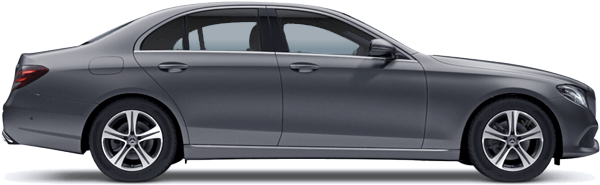
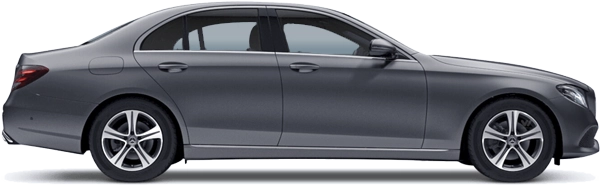
Mercedes E 200 (16 - 18) vs. Mercedes E 300 e 9G-TRONIC (18 - ..)
€ 43,000
€ 55,100
€ 43,000
Base Price ⓘBase price of a new vehicle with standard equipment in Germany at market launch.
€ 55,100
ⓘBase price of a new vehicle with standard equipment in Germany at market launch. Price Info

Vehicle Dimensions
The dimensions of the E 200 and the E 300 e are absolutely identical. Both are 4923 mm long, 1852 mm wide and 1468 mm tall.
E 200
E 300 e
1468

1852
2065
1468
1852
2065
1852 mm
Width
1852 mm
2065 mm
Width Incl. Mirrors
2065 mm
1468 mm
Height
1468 mm

2939
4923
2939
4923
4923 mm
Length
4923 mm
2939 mm
Wheelbase
2939 mm
Vehicle Weight
E 200
E 300 e
1575 kg
Kerb Weight
1985 kg
2215 kg
Gross Vehicle
Weight
Weight
2625 kg
Weight Difference:
410 kg
20.65 %
General
E 200
E 300 e
W213
Generation
W213
Saloon
Car Body Style
Saloon
Unleaded (95 RON)
Fuel Type
Unleaded (95 RON)

Rear-wheel drive
Drive
Rear-wheel drive
6-speed manual transmission
Transmission
9-speed automatic transmission
Engine
E 200
E 300 e
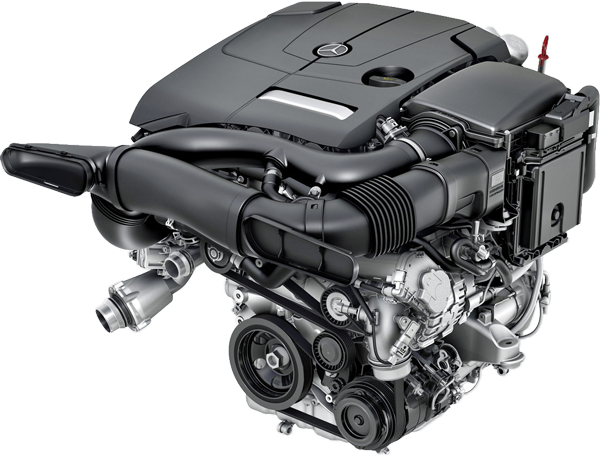
Straight-four petrol engine with turbocharger
Engine Type
4-cylinder plug-in hybrid petrol engine with turbocharger
Mercedes-Benz M 274
Engine Series
Mercedes-Benz M 274
M 274.920
Engine Code
M 274.920
4
Valves
4
4
Cylinders
4
1991 CC
Engine Capacity
1991 CC
181 bhp
at 5500 rpm
Power
316 bhp
at 5500 rpm
E 200
181 bhp
316 bhp
E 300 e
300 NM
at 1200 rpm
Max. Torque
700 NM
at 1200 rpm
E 200
300 NM
700 NM
E 300 e
Performance
E 200
E 300 e
149 mph
Maximum Speed
155 mph
8.1 sec
Acceleration 0 to 62 mph
5.7 sec
62 mph
62
mph
mph
113 m
0.000 sec

E 200
62 mph
62
mph
mph
79 m
0.000 sec
E 300 e
▶ REPLAY
8.7 kg/bhp
Weight-to-Power Ratio
6.28 kg/bhp
E 200
8.7 kg/bhp
6.28 kg/bhp
E 300 e
Fuel Economy / Emissions
E 200
E 300 e
Fuel Economy
46 mpg
combined
141 mpg
E 200
46 mpg
141 mpg
E 300 e
35 mpg
city
No data
56 mpg
motorway
No data

50 L
Fuel Tank Capacity
50 L
510 mi
Range
1553 mi
E 200
510 mi
1553 mi
E 300 e
Environmental Impact
115.6 kWh
Total Energy Consumption
per 100 miles ⓘThe total energy consumption per 100 miles is the amount of energy consumed by a vehicle when burning fuel or using electricity per 100 miles (final energy), and the energy required to produce the appropriate amount of fuel or electricity (primary energy).
per 100 miles ⓘThe total energy consumption per 100 miles is the amount of energy consumed by a vehicle when burning fuel or using electricity per 100 miles (final energy), and the energy required to produce the appropriate amount of fuel or electricity (primary energy).
37.8 kWh
E 200
115.6 kWh
37.8 kWh
E 300 e
Euro 6b (NEFZ)
Emission Standard
Euro 6d-TEMP
140 g/km (NEFZ)
CO2 Emissions
41 g/km (WLTP)
Practical Convenience
E 200
E 300 e
4
Doors
4
5
No. of Seats
5
640 kg
Maximum Payload
640 kg
540 L
Boot Capacity
370 L


No data
Boot Capacity (Seats Down)
No data